Use first-party data, engagement signals and broad delivery to help Meta find more people similar to valuable Direct To Consumer customers without over-fragmenting spend.
Plan audiences →Sponsored • Direct To ConsumerLearn more
For Direct To Consumer teams, growth decisions are stronger when Facebook and Instagram campaign structure, creative testing, audience learning, and conversion reporting reflect online shoppers comparing products, offers, delivery expectations, social proof, and brand alternatives.

For Direct To Consumer, we start with the category's specific buying questions rather than a generic campaign blueprint. The account is organized around the information customers need, the proof they trust, the conversion event the business can value, and the creative formats that can communicate those points quickly enough for Facebook and Instagram. That context becomes the baseline for every budget and testing decision.
Trusted Experience










Direct To Consumer campaigns face specific decision points including audience quality, creative fatigue, positioning clarity, conversion friction, and margin discipline. Our structure gives each stage a job, a measurable signal and its own creative learning agenda.
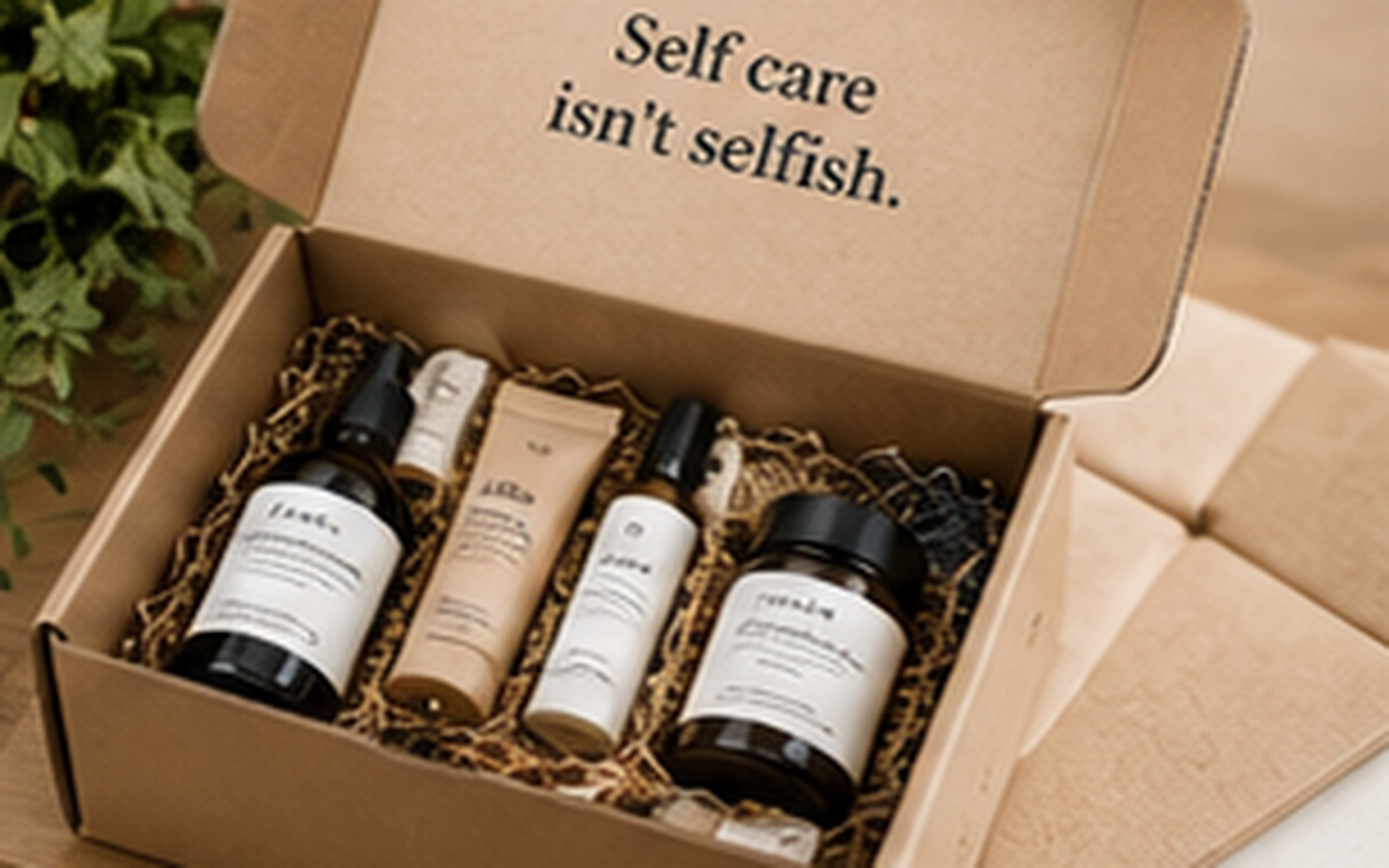
Prospecting for Direct To Consumer starts with category shoppers, product researchers, returning customers, and high-intent social audiences. We test broad, interest-informed and first-party signal strategies without forcing every audience into the same budget pool.
Plan this stage →Consideration creative centers on clear benefits, demonstrations, customer proof, comparisons, and credible product education. The objective is to remove uncertainty while giving Meta enough distinct creative inputs to learn who responds to each message.
Plan this stage →We connect campaign optimization to qualified traffic, add-to-carts, leads, purchases, and repeat customer value. Landing-page friction, offer quality and merchandising context are reviewed alongside ad delivery instead of treated as separate problems.
Plan this stage →Remarketing is timed around remarketing, bundles, loyalty offers, seasonal promotions, and customer lifecycle messaging. Frequency, exclusions and offer sequencing are managed to protect margin while keeping useful reasons to return in front of existing customers.
Plan this stage →Automation works best when the campaign has better inputs. For Direct To Consumer, we combine audience signals, placement-ready creative and business-quality conversion events so Meta can optimize toward outcomes worth scaling.
Review My Meta Ads AccountUse first-party data, engagement signals and broad delivery to help Meta find more people similar to valuable Direct To Consumer customers without over-fragmenting spend.
Plan audiences →Prepare UGC, demonstrations, founder stories, comparisons, testimonials, and offer-led Reels for Feed, Stories and Reels, then test format and message variations while keeping the commercial hypothesis visible.
Plan creative →Improve product or offer context, event quality and retargeting logic so Meta can connect delivery with qualified traffic, add-to-carts, leads, purchases, and repeat customer value rather than low-value engagement.
Review signals →We look at account structure, creative evidence, audience signals, landing-page context and measurement together. The goal is to identify the next useful test—not to manufacture activity for its own sake.
Talk to Neighborhood ReachShared platform mechanics still matter, but the commercial questions are different by category. These are the four workstreams we prioritize for Direct To Consumer.
We evaluate qualified traffic, add-to-carts, leads, purchases, and repeat customer value instead of treating clicks or impressions as the final success metric.
Remarketing is sequenced around remarketing, bundles, loyalty offers, seasonal promotions, and customer lifecycle messaging, with exclusions that reduce wasted frequency and offer overlap.
Build prospecting around category shoppers, product researchers, returning customers, and high-intent social audiences, then separate warm retargeting so budget decisions stay readable.
Creative for Direct To Consumer should show clear benefits, demonstrations, customer proof, comparisons, and credible product education; each concept gets a defined hook, proof device and call to action.
These operating details are intentionally specific to the decisions we would expect to diagnose in a Direct To Consumer account. They provide a more useful starting point than a one-size-fits-all checklist.
Before scaling spend, we map new-customer prospecting from people returning after prior engagement. We keep this tied to qualified traffic, add-to-carts, leads, purchases, and repeat customer value so optimization does not drift toward convenient but low-value platform signals. We annotate major budget, offer and creative changes so a later performance shift can be traced to something the team actually changed. When performance weakens, we check delivery, message, destination and offer in that order so one symptom does not trigger four simultaneous changes. The point is not to create more campaign complexity; it is to make the next budget or creative decision easier to defend with evidence.
Apply this to Direct To Consumer →The first planning question is how to separate answer the objection that most often stalls a purchase decision. We keep this tied to qualified traffic, add-to-carts, leads, purchases, and repeat customer value so optimization does not drift toward convenient but low-value platform signals. Budget is reserved for the next learning question rather than spread evenly across every available audience or placement. If retargeting appears unusually efficient, we inspect how much demand prospecting created before treating the warm audience as an independent growth engine. The point is not to create more campaign complexity; it is to make the next budget or creative decision easier to defend with evidence.
Apply this to Direct To Consumer →A disciplined launch starts by comparing qualified sessions, contribution margin and repeat-purchase behavior. We keep this tied to qualified traffic, add-to-carts, leads, purchases, and repeat customer value so optimization does not drift toward convenient but low-value platform signals. We keep a control concept live long enough to distinguish a genuinely stronger message from a short burst of cheaper impressions. The conversion event is checked for both technical accuracy and commercial usefulness before automated delivery is given more freedom. The point is not to create more campaign complexity; it is to make the next budget or creative decision easier to defend with evidence.
Apply this to Direct To Consumer →Before scaling spend, we map a founder explanation, a proof-heavy comparison and a fast UGC hook. We revisit the rule when remarketing, bundles, loyalty offers, seasonal promotions, and customer lifecycle messaging begins to influence the economics of acquisition. Creative fatigue is diagnosed with frequency, hook-level response and conversion quality instead of using one arbitrary age threshold for every ad. The conversion event is checked for both technical accuracy and commercial usefulness before automated delivery is given more freedom. The point is not to create more campaign complexity; it is to make the next budget or creative decision easier to defend with evidence.
Apply this to Direct To Consumer →Early learning improves when we split whether product context survives the transition from Reel to product page. This is reviewed alongside category shoppers, product researchers, returning customers, and high-intent social audiences so account structure follows customer behavior instead of arbitrary naming conventions. Creative fatigue is diagnosed with frequency, hook-level response and conversion quality instead of using one arbitrary age threshold for every ad. We look for concentration risk when one ad, audience or SKU carries too much of the account's result and build a deliberate backup path. The point is not to create more campaign complexity; it is to make the next budget or creative decision easier to defend with evidence.
Apply this to Direct To Consumer →For a cleaner baseline, we organize raise spend in measured steps while watching customer quality. The working hypothesis is documented before launch so the result can change what we do next for Direct To Consumer. Creative fatigue is diagnosed with frequency, hook-level response and conversion quality instead of using one arbitrary age threshold for every ad. If retargeting appears unusually efficient, we inspect how much demand prospecting created before treating the warm audience as an independent growth engine. The point is not to create more campaign complexity; it is to make the next budget or creative decision easier to defend with evidence.
Apply this to Direct To Consumer →Answers based on how we structure performance media, creative testing and measurement for Direct To Consumer advertisers.
Start with the buying decision: who is most likely to need Direct To Consumer, what proof removes hesitation, and which conversion event reflects real business value. From there, structure prospecting, retargeting and creative tests around those decisions.
Discuss Direct To Consumer Meta Ads →Facebook and Instagram Feed, Stories and Reels can all contribute, but placement should follow the creative asset and conversion goal. We test placement-level performance rather than assuming one format is always best for Direct To Consumer.
Discuss Direct To Consumer Meta Ads →We isolate changes in hooks, demonstrations, proof, offers and calls to action. For Direct To Consumer, strong tests usually make clear benefits, demonstrations, customer proof, comparisons, and credible product education easier to understand without forcing every concept into the same visual template.
Discuss Direct To Consumer Meta Ads →We connect platform data with site behavior and business outcomes such as qualified traffic, add-to-carts, leads, purchases, and repeat customer value. The goal is to understand both delivery efficiency and the quality of customers the campaigns produce.
Discuss Direct To Consumer Meta Ads →